Webtoon vs manga vs comics: how format changes the way news lands
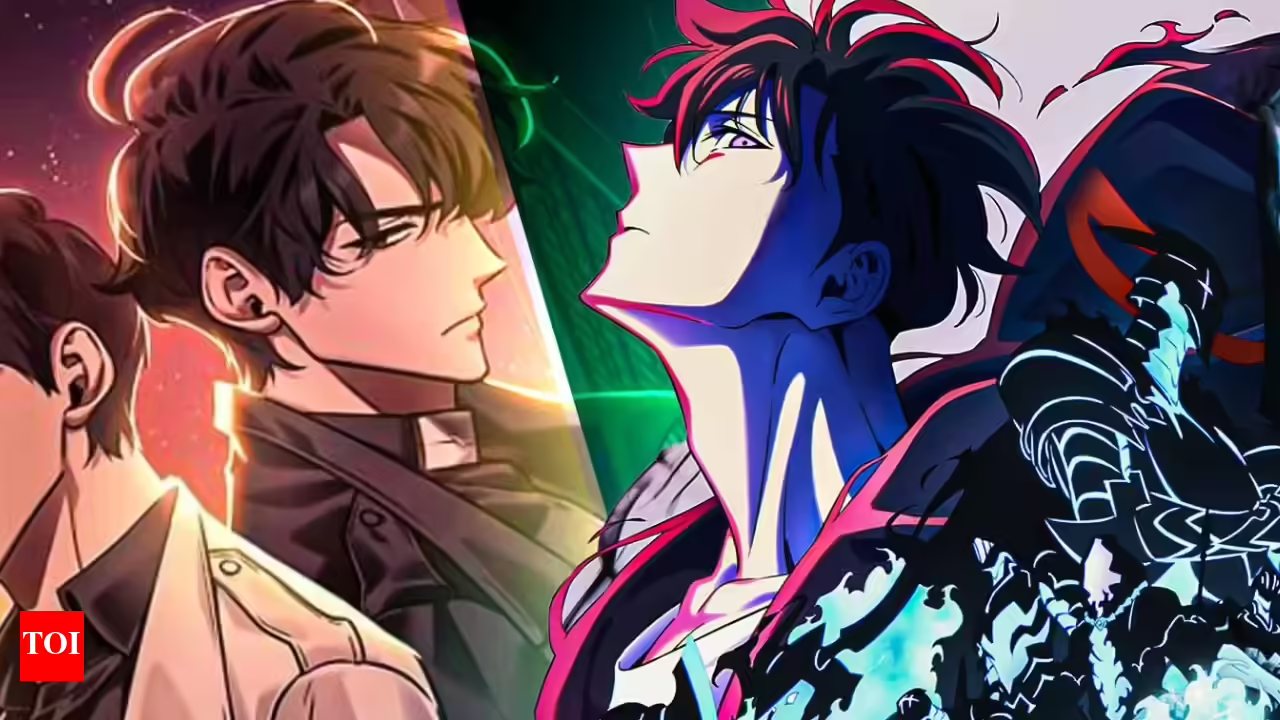
Readers often compare webtoons, manga, and comics as if they are just three shelves in the same store. The better way to look at them is as different reading systems. Format shapes pacing, update rhythm, discovery, and even the kind of news that tends to matter to readers.
Why webtoon coverage feels more schedule-driven
A lot of webtoon conversation starts with cadence. Readers are trained to care about weekly drops, season returns, platform labels, and creator program changes because that is how the format lives day to day.
That makes platform news feel immediately practical. A change in monetization, discovery, or release rhythm can alter the reading experience quickly.
The story and the delivery system are much more visibly linked than they are in many print-first ecosystems.
Why manga news leans on serialization and adaptation
Manga readers often follow magazine rhythm, tankobon releases, hiatus patterns, and adaptation signals. The conversation regularly moves between print serialization and anime visibility.
Because of that, manga reporting often has a split focus: what is happening on the page, and what adaptations might do to public attention.
The format does not just change reading habits. It changes which kinds of headlines feel meaningful.
Why western comics produce different reading-order questions
Comics readers deal more often with line relaunches, issue numbering, trade collections, event tie-ins, and continuity branches across decades of publishing.
That means the practical news questions are different. Instead of “when does the next season return?” the reader may ask “which run matters?” or “what do I need before this event?”
Once you accept that each format trains its audience differently, the news styles stop feeling inconsistent and start feeling appropriate.
Bottom line
Format is not a cosmetic difference. It changes what readers track, what platforms prioritize, and what kind of reporting feels useful instead of noisy.
The same headline structure will not serve webtoon, manga, and comics readers equally well. Good coverage respects the reading system, not just the fandom label.