One Punch Man Season 3 Part 2: how to read the backlash without losing the timeline
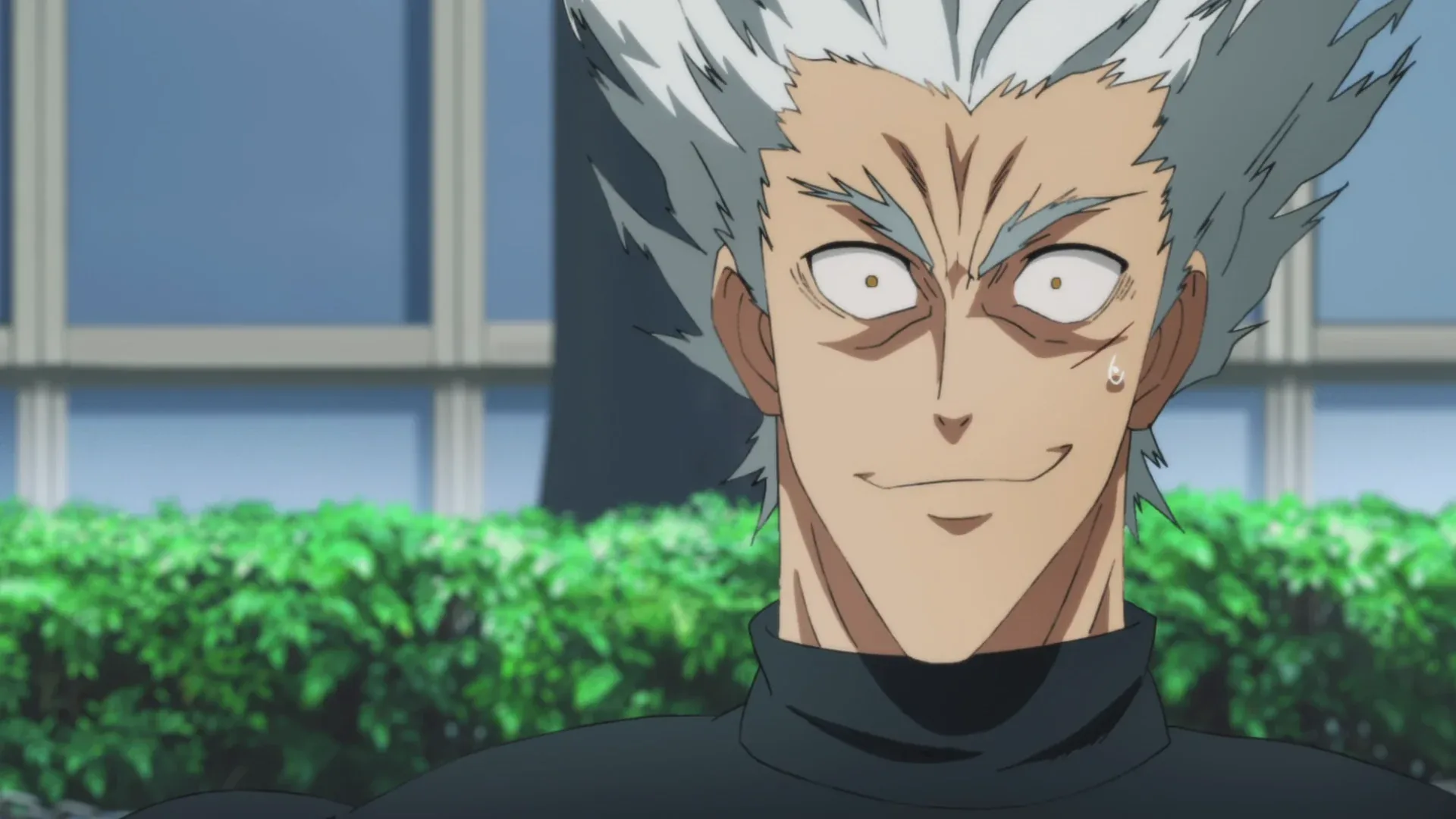
One Punch Man discourse has a habit of becoming bigger than the production update itself. The moment fans start comparing frames, clips, or promotional stills, the conversation can shift from “what is confirmed?” to “what does this say about everything?” in a matter of hours. This article takes the opposite route: slow down, isolate the real signal, and read the timing without letting the loudest reactions do all the interpreting.
Why backlash spikes so fast
With high-profile series, reaction often runs ahead of information. A teaser, a visual, or a short production sample gets treated like a complete performance report, even when the final work is still far away. In practice, that means criticism can lock into place before the schedule has even settled into its final shape.
That does not make fan concerns fake. It just means early discourse is usually a mix of real visual preferences, partial evidence, and the anxiety that comes from waiting too long for a major return. The useful move is to separate those layers instead of flattening them into one verdict.
What the 2027 timing actually suggests
A 2027 follow-up window reads less like a casual delay and more like a production buffer. Long gaps can signal workload, planning changes, or a decision to avoid rushing a sequel segment that will be judged even harder than the initial return. That is frustrating as a fan, but it is also more informative than pretending everything can be fixed in a few months.
The clearest takeaway is not “panic” or “celebrate.” It is that the timeline itself has become part of the story. When a franchise chooses space over speed, the smartest way to follow it is by tracking official milestones instead of emotional momentum.
A better way to track the next real update
When the next wave of news lands, three signals matter more than everything else around them.
- Look for official release language, not just hype-heavy visuals.
- Treat short promo clips as tone checks, not full quality audits.
- Watch for scheduling detail: season label, cour structure, or a specific month.
Bottom line
The loudest reaction cycle is not always the most useful one. For One Punch Man Season 3 Part 2, the real story is how to keep the timeline, the production reality, and the fandom mood in the right order instead of collapsing them into one headline.
This page stays spoiler-light and focuses on schedule reading, production signals, and fan-response framing rather than scene-by-scene debate.