Seven Seas under Media Do: what readers should watch next
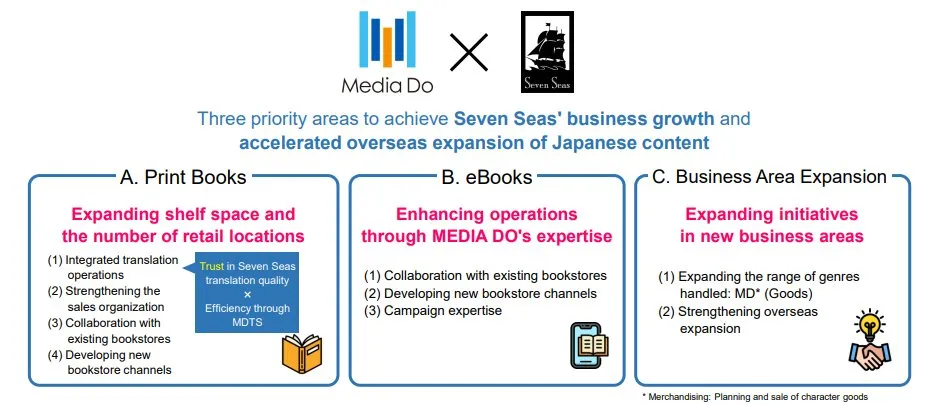
Publishing acquisitions always sound more abstract than they really are. The corporate language sits at one level, but readers experience the outcome through release consistency, licensing confidence, catalog direction, and how a publisher communicates once the transition starts settling in. That is the useful frame for the Media Do and Seven Seas story.
What usually does not change overnight
A catalog does not wake up as a completely different thing the morning after a deal. Existing lines, known releases, and established relationships tend to carry forward while the longer-term direction forms in the background. That is why immediate panic rarely tells you much.
The smart response is to wait for operational signals rather than assuming the headline itself has already explained the outcome.
The reader-facing signals that matter most
Over time, the picture gets clearer through repetition. Are releases staying dependable? Does the licensing profile shift? Does the catalog keep its editorial identity, or start leaning in a visibly different direction? Those are the indicators that turn a business story into a reader story.
In other words, this is less about one reaction and more about pattern recognition over the next few cycles.
A practical way to follow the deal
If you want to track what the acquisition really means, keep the checklist simple.
- Watch release cadence before drawing big conclusions.
- Track licensing and imprint direction, not just headlines.
- Pay attention to communication style once the transition matures.
Bottom line
The cleanest way to read this deal is “watch, then judge.” The headline matters, but the longer reader story will be written by consistency, catalog choices, and how Seven Seas feels six months from now, not six minutes after the announcement.
This page is aimed at reader impact: licensing rhythm, catalog identity, and the practical signs that tell you whether a publishing change is truly meaningful.