Chainsaw Man news signals: how to tell a teaser from a real timing update
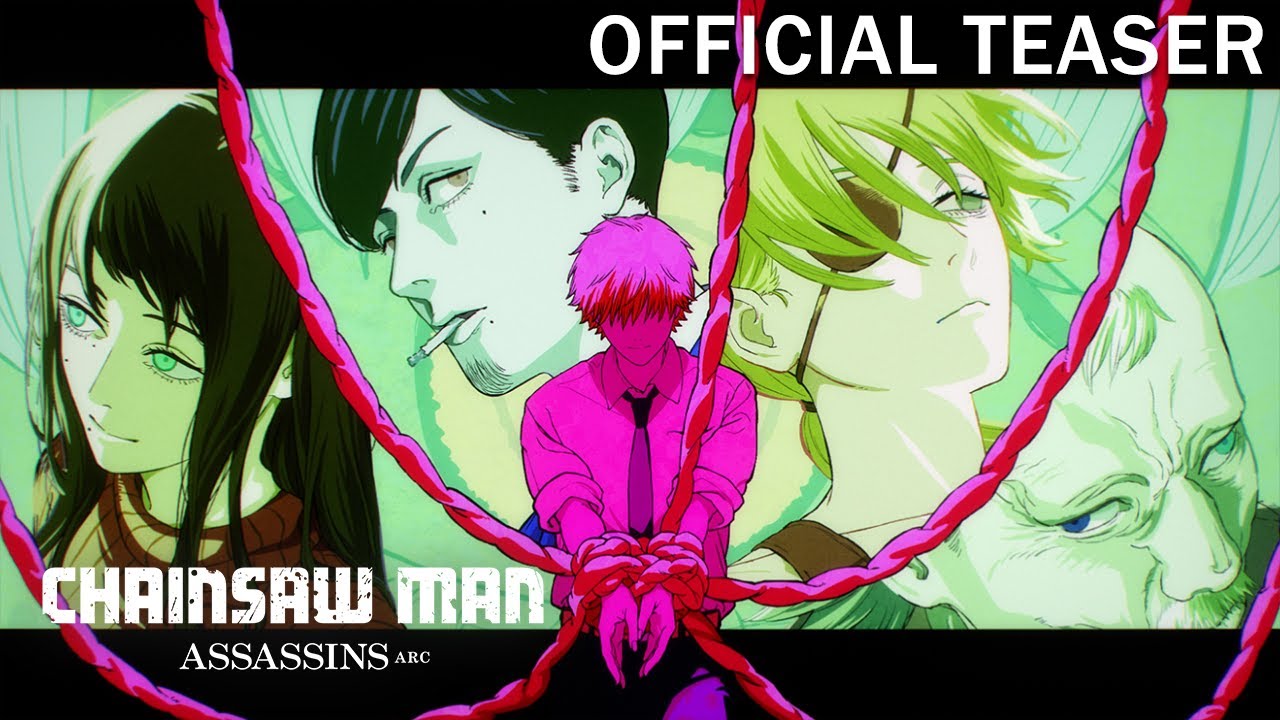
Chainsaw Man is the kind of franchise where every new asset produces a flood of interpretation. That makes it perfect for studying how announcement language works. Teasers, trailers, release windows, and release dates are often treated like steps of the same size, but they are not. Each one changes certainty in a different way.
Why readers collapse different signals together
The emotional logic is obvious: fans want movement, so any movement starts feeling like nearly complete confirmation.
But marketing materials are not all built to answer the same question. Some exist to reactivate attention. Others exist to define the next stage. Only a smaller subset truly settles timing.
Once you forget that distinction, the information cycle becomes exhausting.
How to rank the signals
A teaser is usually the lightest signal. It tells you there is intent to speak. It does not tell you the whole plan is ready.
A full trailer often carries more commitment because it arrives closer to a campaign stage that expects wider conversion. Even then, you still need to ask what timing language accompanies it.
A release window narrows expectation, but it still leaves room for movement. A release date is the strongest public time signal because it attaches the campaign to a specific promise.
The smartest way to follow a noisy franchise
Do not ask whether a post feels big. Ask what kind of certainty it adds. That one question changes how you read almost everything.
If the certainty level has not risen, then the post may still matter for mood, but it has not actually upgraded the timeline.
This is the habit that keeps announcement-heavy series readable without becoming emotionally draining.
Bottom line
Chainsaw Man coverage makes more sense when you rank signals by certainty instead of intensity. Teasers, trailers, windows, and dates all matter — but they do not matter in the same way.
A practical guide to the language around trailers, teaser drops, and release promises so updates feel less noisy to follow.