Attack on Titan final-chapter marketing: how these timelines are usually built
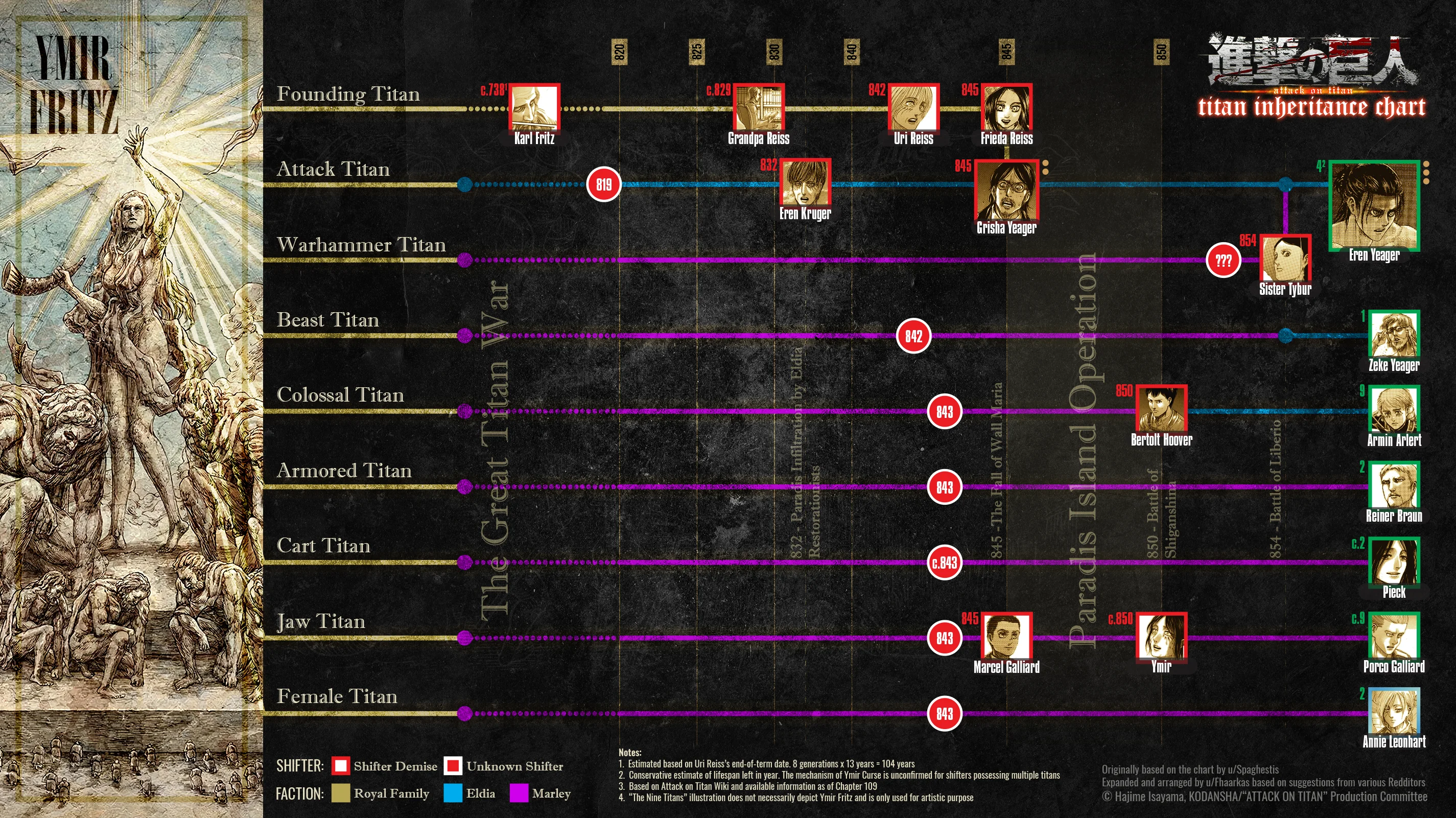
Final-chapter marketing for a giant franchise rarely happens in one clean burst. It tends to move in waves: one wave to reawaken attention, another to define the scale of the event, and later waves to convert that attention into a countdown. Attack on Titan trained audiences to expect that pattern, which is why every new clue around a finale immediately becomes a timeline argument.
Why finales get staged so carefully
A finale is not only another release. It is a franchise memory event. Studios and partners know that the last stretch has to feel heavier, cleaner, and more definitive than a standard season update.
That is why marketing often starts with broad emotional signals rather than exact operational details. The campaign wants to restore significance before it starts narrowing the clock.
This approach can feel slow to impatient fans, but it is normal. The early phase is usually about framing the ending, not just advertising the next date.
What the usual timeline phases look like
First comes atmosphere: visuals, taglines, cast focus, or reminder messaging that tells the audience the final leg matters.
Then comes shape: a stronger trailer, a window, an event anchor, or a formal statement that defines where the campaign is heading.
Only later do you usually get the harder countdown materials that make planning feel concrete. This is why readers should avoid treating phase-one materials like phase-three confirmations.
How to avoid reading too much into each step
Fans often compress a long franchise rollout into a single emotional moment. That makes every post feel more final than it is.
A better method is to ask whether the new material changes the campaign stage or merely reinforces the same stage. Reinforcement matters, but it is not the same as progression.
When you read finale marketing this way, the sequence becomes legible. You stop asking why there is “still no date” after a powerful visual, because the visual was never meant to be the date step.
Bottom line
Attack on Titan is a useful example because it shows how big endings are marketed as narratives in their own right. Once you see the campaign as phased storytelling instead of random drops, the timeline starts making more sense.
A clean guide to why major franchise finales roll out in phases, and how to read each stage without overcommitting to rumors.